
Michigan occlusal splint: digital manufacturing in 48h
Michigan occlusal splint for practices: digital protocol, intraoral scanner, CAD design and 48-hour delivery.
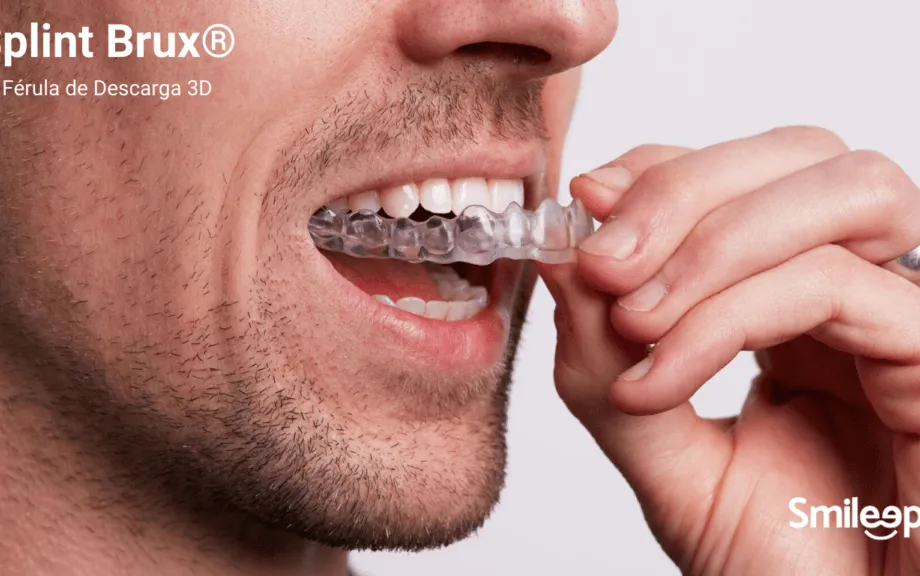
A Michigan occlusal splint can fit into a fast digital workflow when the practice captures the scan and occlusal instructions correctly. This article explains how to manufacture digital occlusal splints with 48-hour delivery.
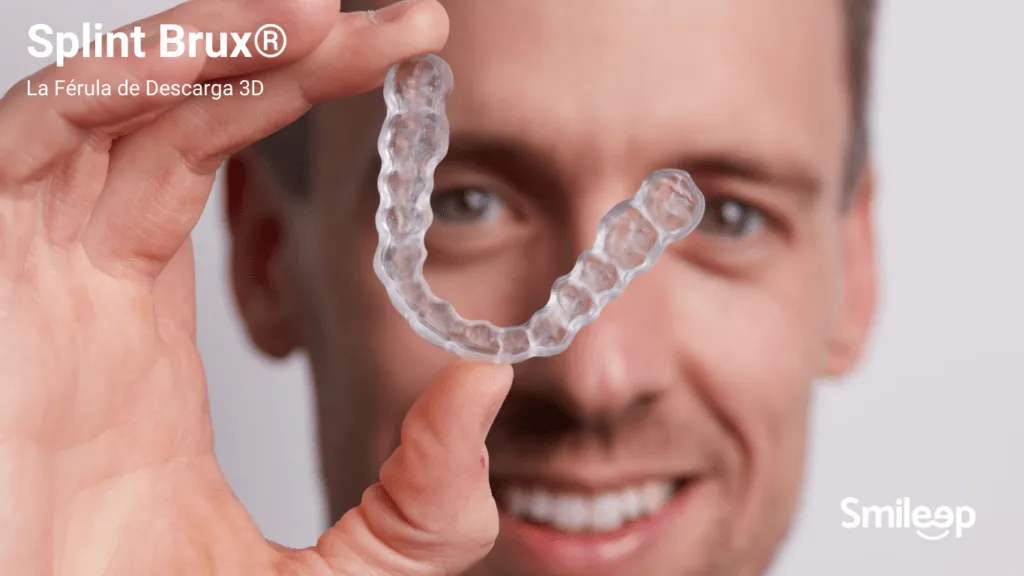
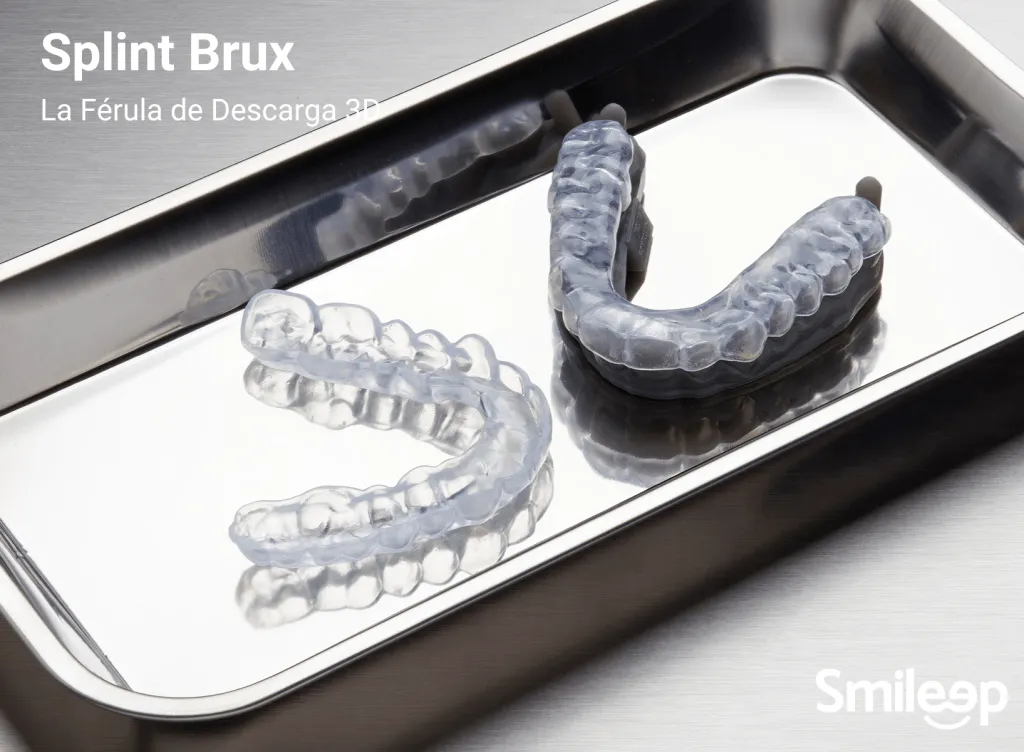
At Smileep, we have developed Splint Brux®, a Michigan-type splint manufactured with advanced digital technology. Our process combines intraoral scanning, clinically validated CAD design and 3D printing with Formlabs® materials, a global leader in dental resins.
The result: a rigid, stable splint with an excellent fit from the first appointment.
Why choose a Michigan-type Splint Brux® over other splints?
Traditional splints require physical impressions, wax-ups and chairside adjustments. Our digital version changes the entire workflow.
Clinical advantages of the Splint Brux® splint
- Precise fit from the first use
- Personalized CAD design based on your prescription
- Delivery within 48 business hours
- 3D model included for clinical validation and patient communication
- Premium case + use and care instructions
- Guaranteed repeatability in case of loss
With Splint Brux®, you reduce chair time, increase treatment quality and improve the patient’s perception of value.
High-end technology and materials for Michigan splints
As a result, Splint Brux® splints are manufactured with Dental LT Clear Resin V2, a rigid, biocompatible and wear-resistant resin developed by Formlabs® for long-term clinical applications.
Its benefits:
- High occlusal stability
- Intraoral comfort without compromising rigidity
- Esthetics: clear, polished surface
- Certified class IIa biocompatibility
Real intraoral fit, without unnecessary adjustments
In the following video, you can see how the Michigan-type Splint Brux® behaves when placed in the mouth. No relining, no grinding, no surprises. Play the video and check it for yourself:
What do you need to complete a case with Smileep?
- STL intraoral scans (upper arch, lower arch and bite)
- Clinical prescription with the splint type, guides and desired finish
Each Michigan-type Splint Brux® is custom designed. We adapt the design to the case: scalloped, straight, over the gingiva… according to your preferences and the patient’s anatomy.
If you need support, see: How to scan for a Michigan-type splint
Intraoral scan capture: precision from the first step
To guarantee the clinical fit of the Michigan occlusal splint, it is essential to follow a rigorous digital scanning protocol. The more precise the data capture, the less time you will need for chairside adjustments.
1. Upper arch scan
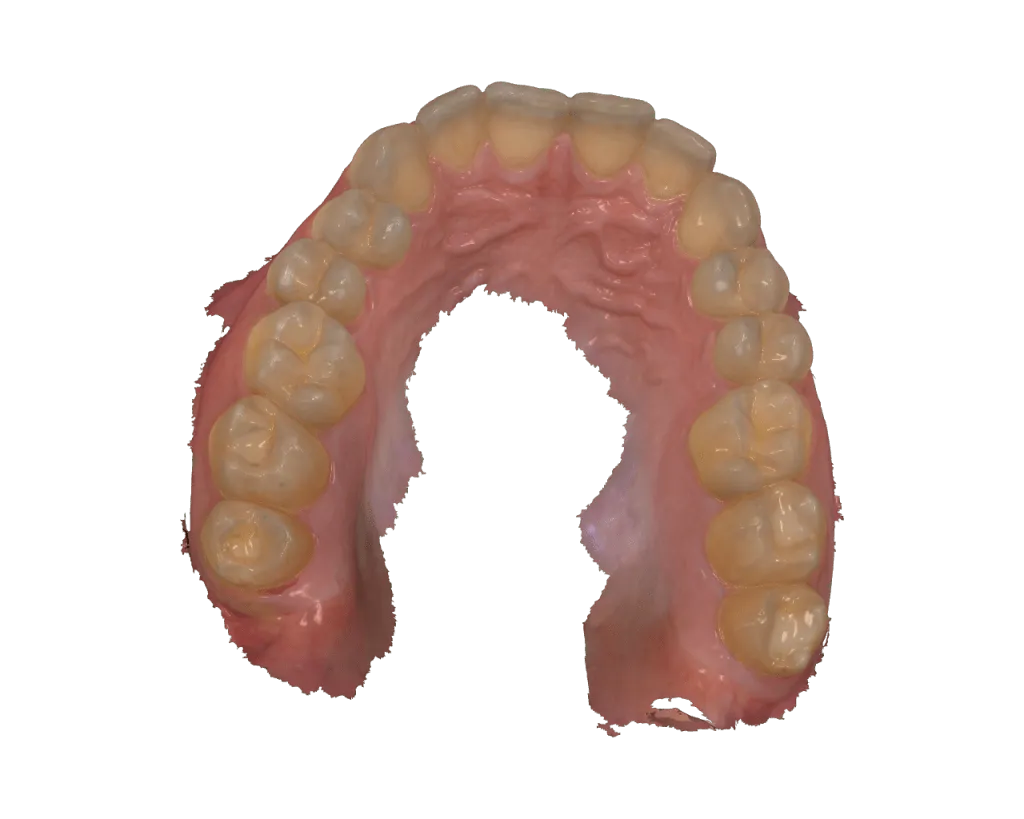
Scan every tooth in detail. In short, avoid mesh errors caused by saliva or poor visibility. Unscanned areas or “floating meshes” can affect the splint’s adaptation.
2. Lower arch scan (antagonist)
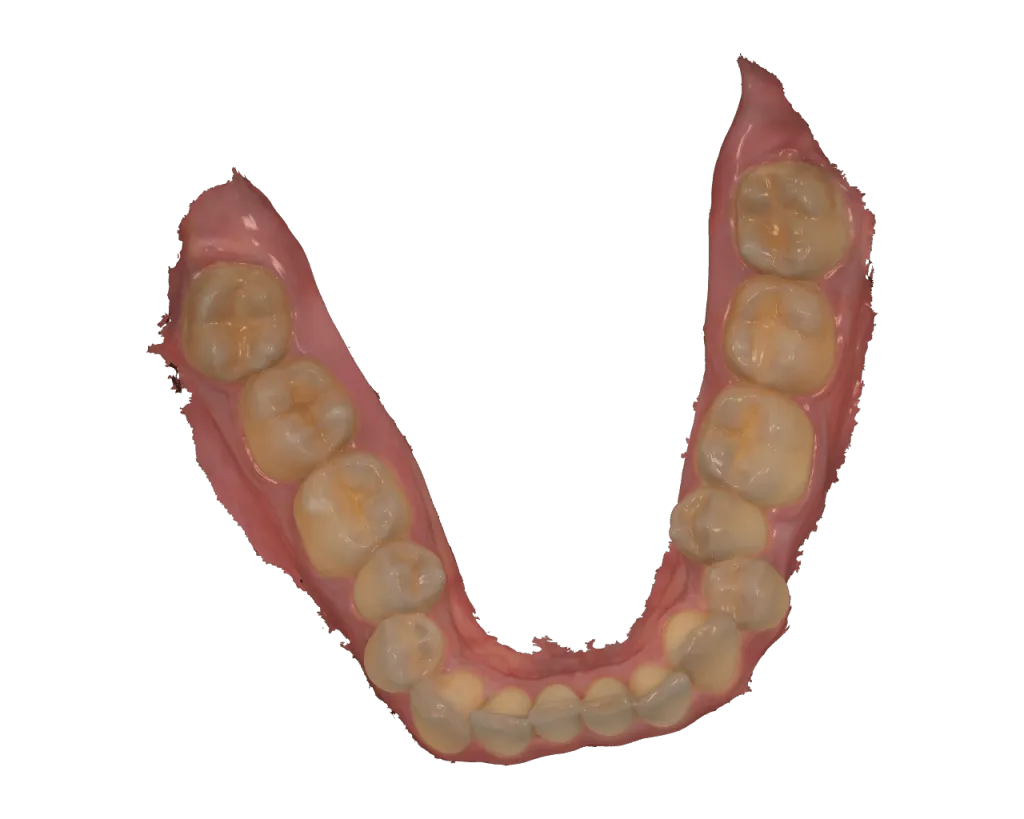
This is essential for checks in the virtual articulator and for evaluating functional occlusal contact.
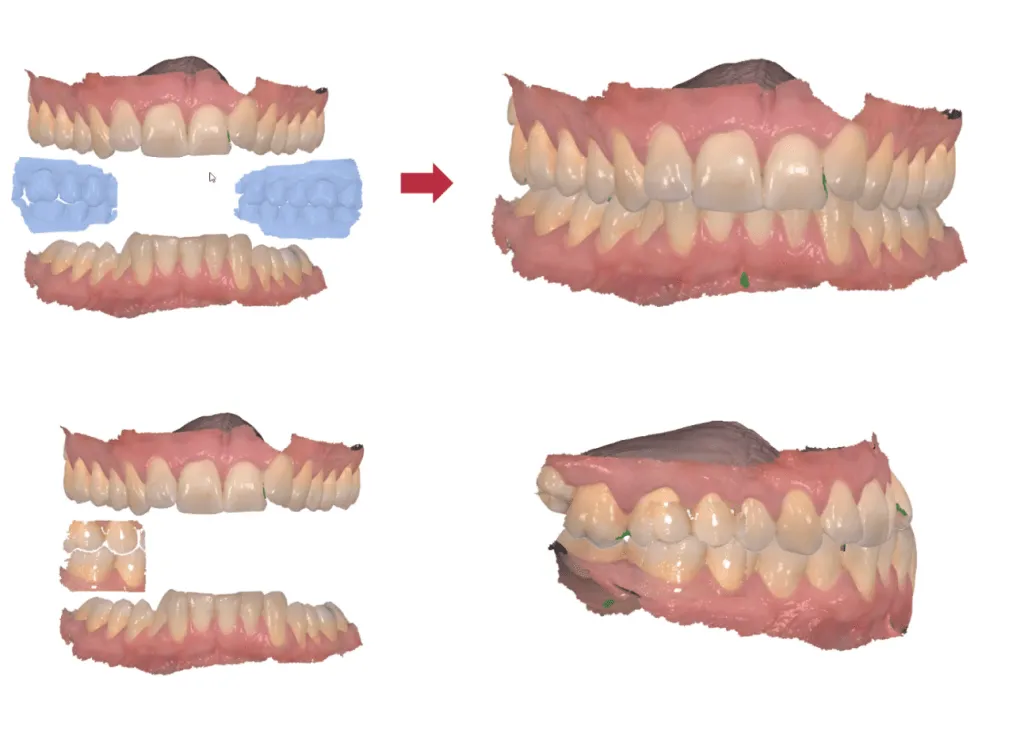
3. Occlusion registration
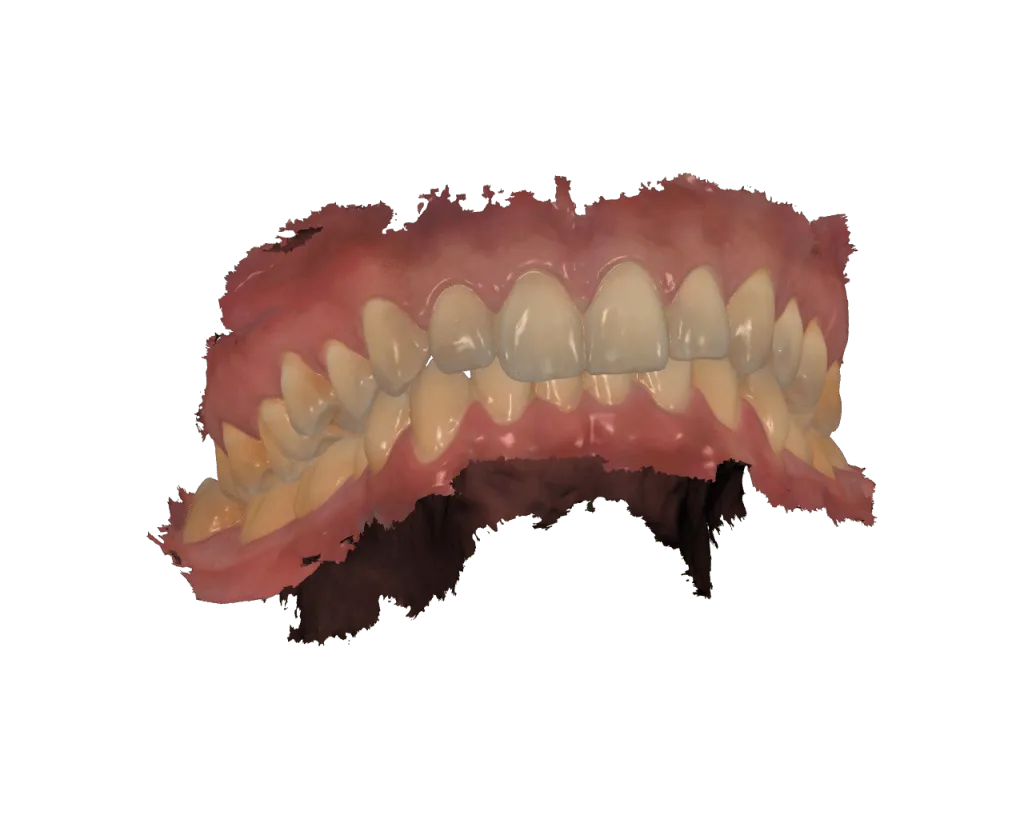
You have two options for scanning the bite:
- Bite in MIP (maximum intercuspation): easy to scan, but it can accumulate errors in complex cases.
- Occlusion with digital vertical dimension: obtained with a Lucia jig or Long strips. This provides a more precise record of the real prosthetic space, ideal for adjusting the vertical dimension accurately.
At Smileep, we recommend using digital vertical dimension for TMJ cases or treatments that require full design control. See our complete scanning protocol here
Limitations of the traditional protocol for Michigan-type splints
Traditional splints present multiple sources of error:
- First, impressions can deform because of gagging, movement or material removal
- Stone pouring and subsequent model duplication add cumulative tolerances
- The final fit is unpredictable and depends too heavily on the clinician’s technique
By contrast, with digital Splint Brux®, we can correct, redesign or reproduce a splint without scanning the patient again.
Your patients notice the difference
Try Splint Brux® without commitment
FAQ
What is the difference between a traditional Michigan splint and digital Splint Brux®?
The traditional workflow requires a physical impression and manual adjustments. Splint Brux® is designed from an intraoral scan and manufactured in 3D, ensuring precision from the first use.
What material is used for the splint?
Dental LT Clear Resin V2 from Formlabs®, a biocompatible, rigid, transparent resin certified for long-term intraoral use.
How quickly will I receive the splint?
Within 48 business hours from receipt of the STL files and prescription.
What is included in the shipment?
Finished splint, printed 3D model, premium case and patient instructions.
What should I do if the patient loses the splint?
We can accurately reproduce the original splint without needing to scan the patient again.