
TMJ Occlusal Splint: Digital Protocol for Dental Labs
Try a TMJ occlusal splint with our dental lab. Improve precision in your treatments. Send us your test case.
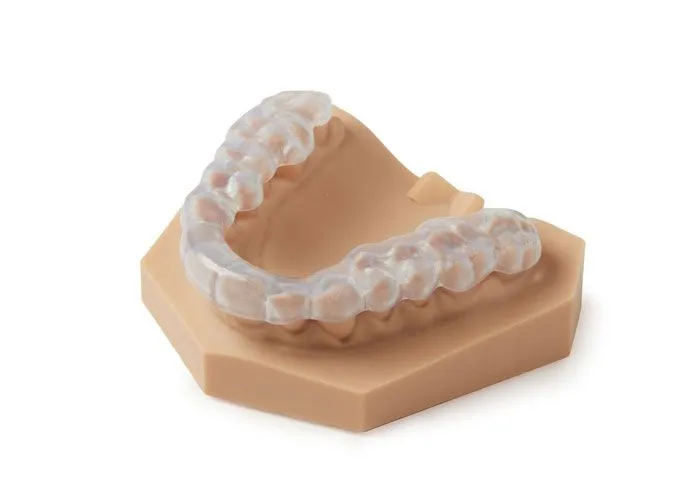
A TMJ occlusal splint is a custom device designed to relieve mandibular tension and prevent tooth wear caused by bruxism. With digital technology, we ensure a precise fit without chairside adjustments, improving patient comfort and treatment effectiveness.
At Smileep we work with dental clinics to provide a 100% digital process that optimizes turnaround times and clinical results. Our specialized dental lab guarantees manufacturing and delivery in 48 hours, with an accurate fit from the first use.
If you need a fast, precise, low-friction solution for patients with TMJ disorders, discover how our digital occlusal splints can transform your clinical workflow.
Digital Occlusal Splint with Intraoral Scanner
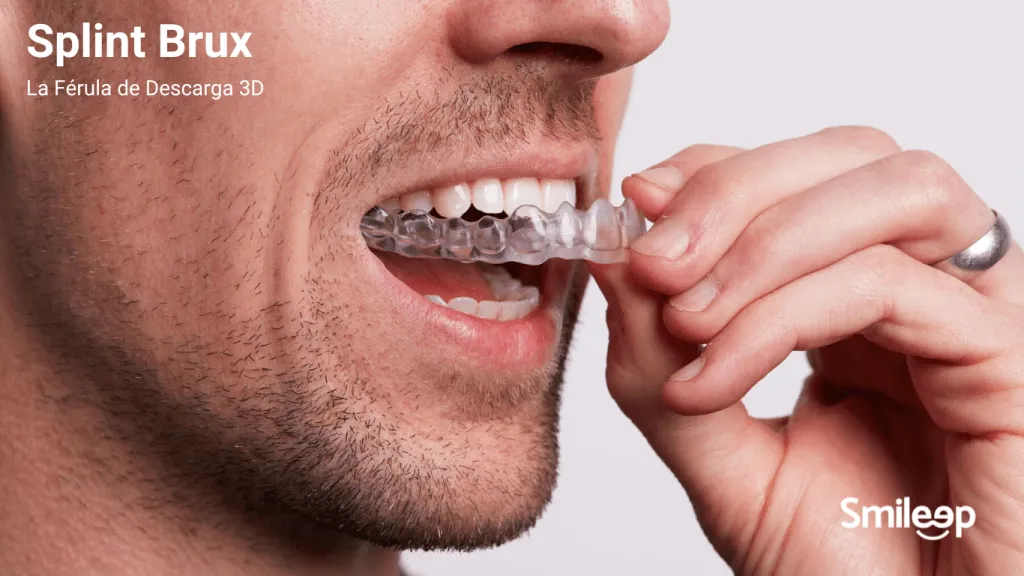
The 3D occlusal splint - Splint Brux® is an essential component in the treatment of bruxism and other disorders associated with the temporomandibular joint (TMJ). In addition to preventing involuntary tooth wear caused by tooth-to-tooth friction, which is common in bruxism cases, it also helps relieve jaw tension and improve overall temporomandibular joint health.
Integrating the Digital Protocol in the Dental Clinic
- Digital STL Files: Send the digital files for the upper arch, lower arch and bite. If you use an intraoral scanner, follow a precise protocol with a Lucia jig or Long strips.
- Medical Prescription: Manage the clinical specifications for the TMJ occlusal splint in our Client Area, including type, guides and personalized adjustments.
- Case Review: Before manufacturing, review and approve the digital design. Request adjustments if needed and ensure accuracy with our specialized dental lab.
More than 250 clinics already trust our digital TMJ occlusal splints to deliver precise, personalized treatments. Join the digital revolution in dentistry!
Efficient Clinic-to-Lab Workflow
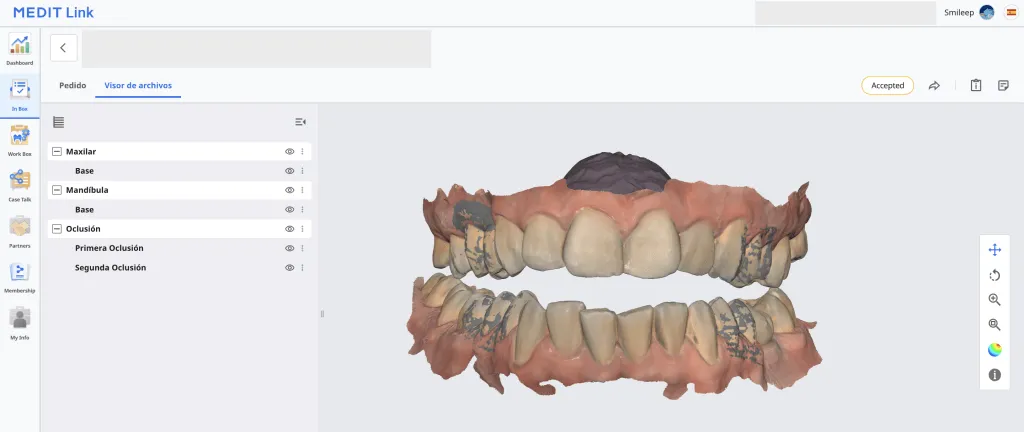
Intraoral Scanning and STL Files
The patient came to the clinic on a Monday morning for the intraoral scanning protocol. We also accept STL files from any intraoral scanner. If your clinic does not yet have one, Smileep digitizes your models with our high-precision laboratory scanner, ensuring an optimal fit for the TMJ occlusal splint.
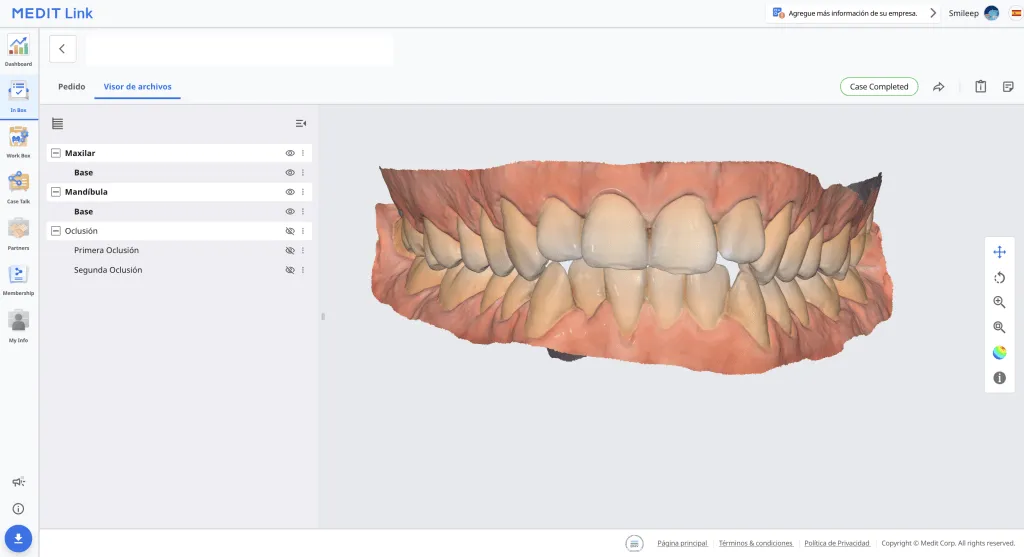
Once the upper and lower arches have been scanned, you can capture occlusion in MIP or take an additional step by recording the vertical dimension digitally.
Bite References in Maximum Intercuspation (MIP)
This is the simplest option and provides a stable basis for designing the TMJ occlusal splint.
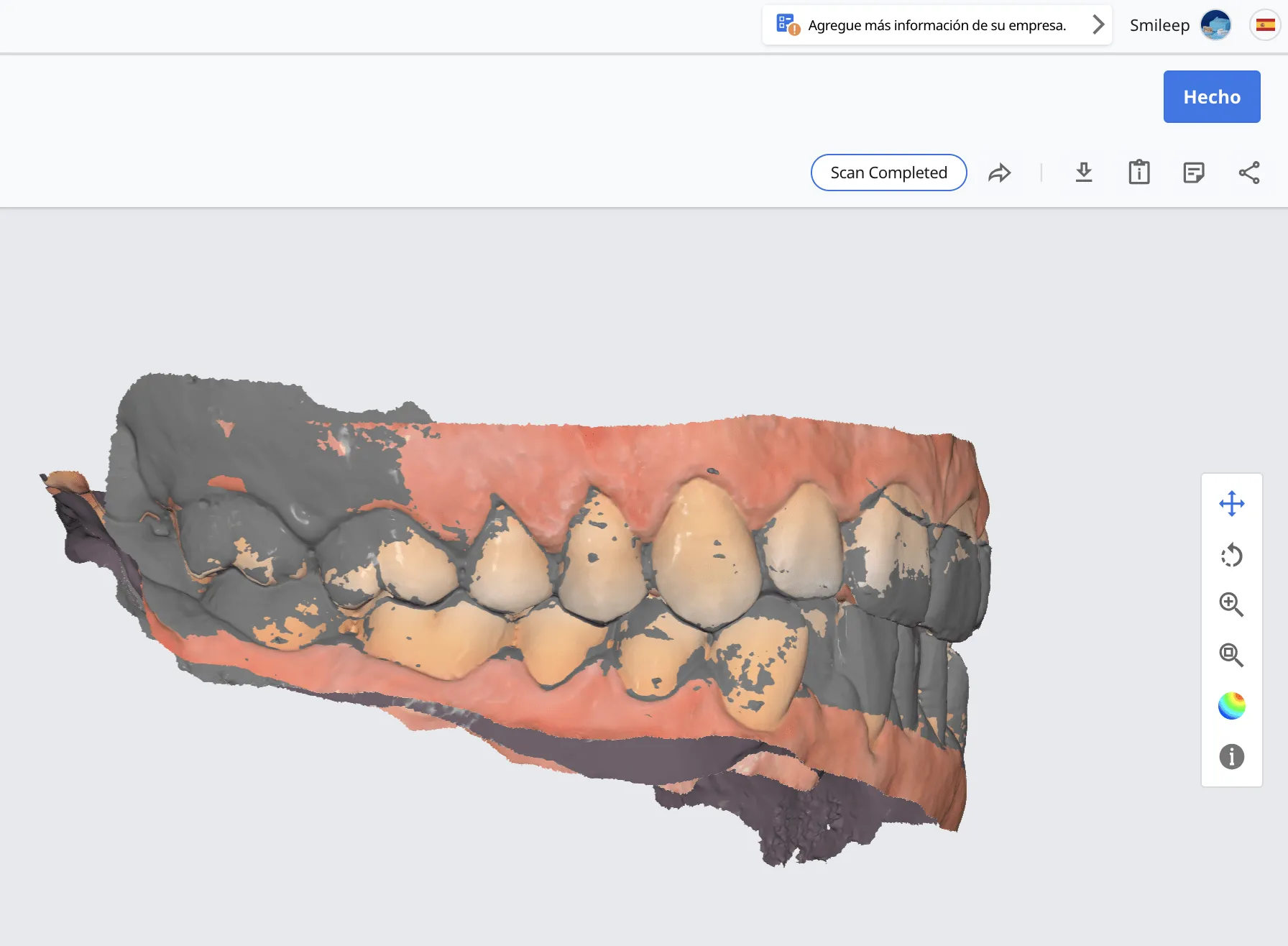
Bite References with Digital Vertical Dimension
Although it requires greater precision, this technique optimizes the splint fit by minimizing errors in thickness and vertical dimension. We recommend preparing the patient with a Lucia jig to determine the ideal vertical dimension and ensure comfort during scanning.
Tips for an Accurate Scan
✅ Follow the protocol without repeatedly scanning the same area to avoid errors. ✅ If the scan has defects, it is better to delete and repeat than to overcorrect. ✅ The scanner will automatically align the files for correct positioning.
Finally, export the files in STL format and send them with the prescription. Our scanning algorithm will automatically position the files to ensure correct spatial alignment.
Case Review: Precision and Exclusive Presentation
Before manufacturing, you will have access to a digital preview of the final TMJ occlusal splint design, allowing you to review and approve it with complete confidence. You can also save the images to show the patient, improving treatment acceptance and reinforcing trust in your clinic.
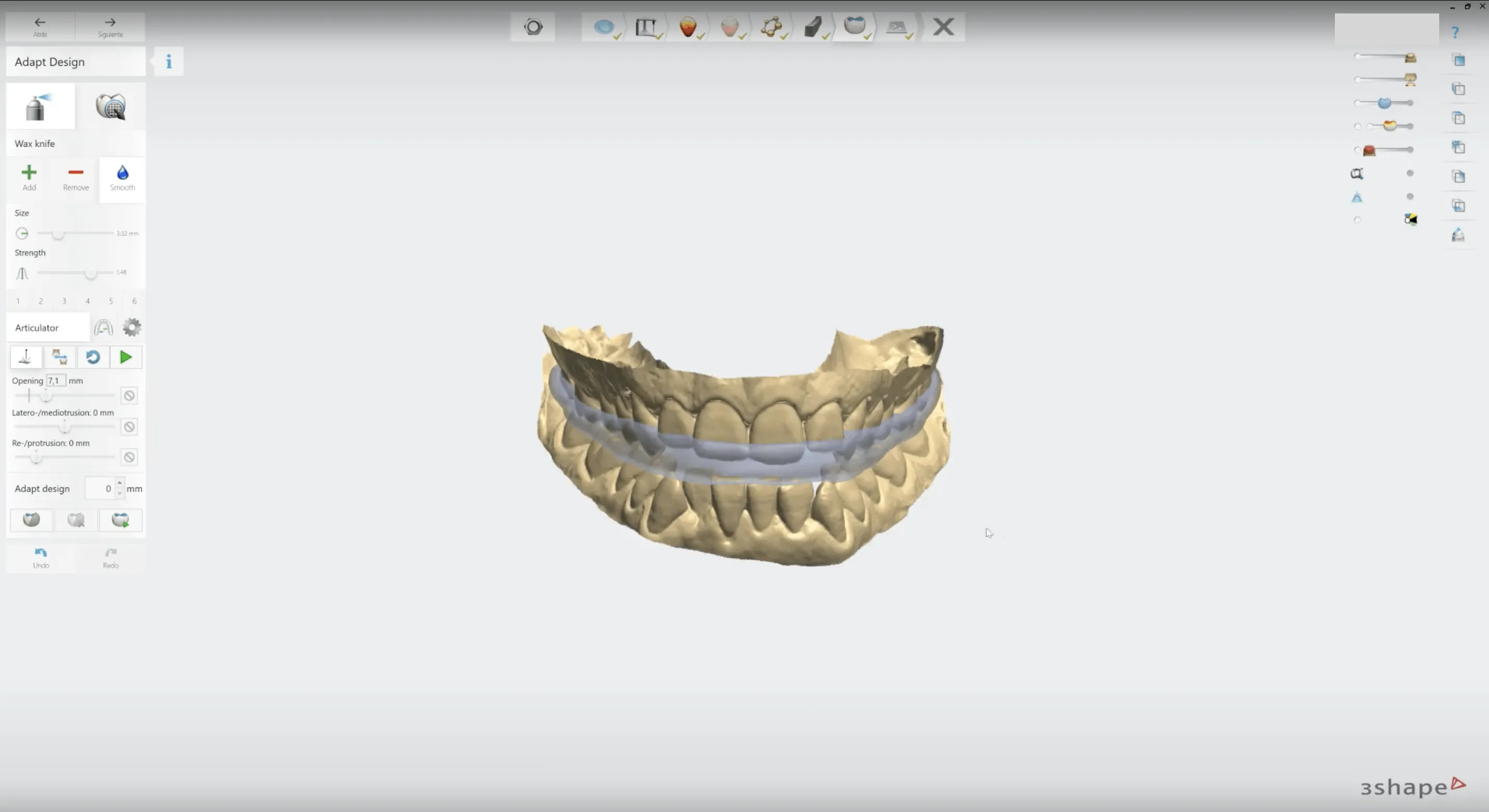
At Smileep, we offer a unique experience for dentists and patients. We do not only guarantee a perfect fit: we also deliver the splint with premium packaging that includes:
✅ Printed 3D model to support fitting and treatment follow-up. ✅ Premium case to protect and store the splint. ✅ Detailed instructions for use to ensure proper maintenance.