
High-Quality Dental Veneers: Digital Protocol for Dental Clinics
Discover the advantages of using an intraoral scanner to produce digital dental veneers through a digital dentistry workflow.
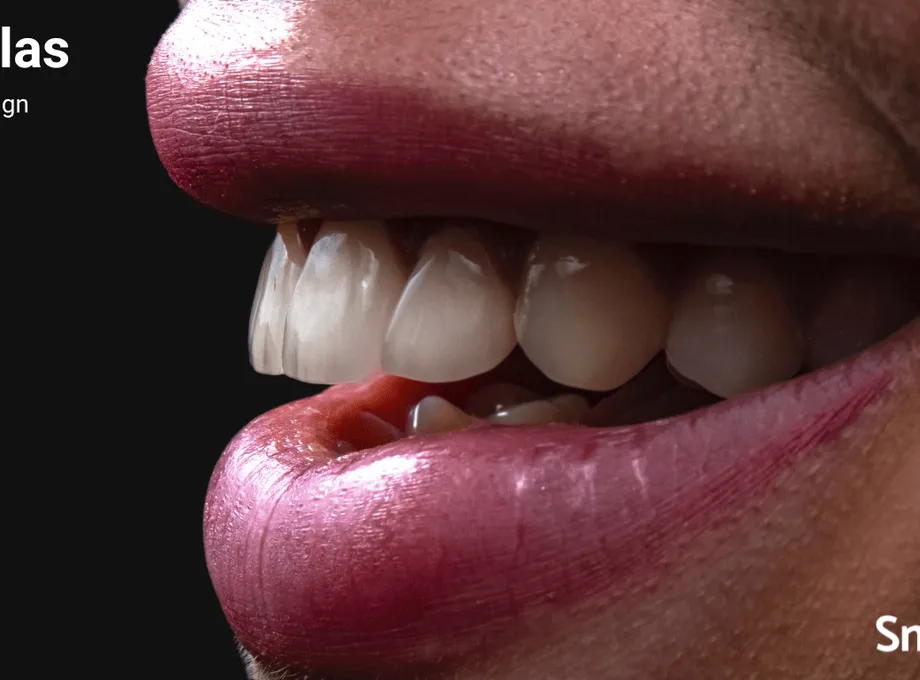
One of the most recent innovations in dental veneers is the integration of the intraoral scanner into the clinical protocol, transforming the way these aesthetic restorations are designed and manufactured.
Dental veneers, considered a cornerstone of aesthetic dentistry, benefit enormously from digital technology. Thanks to these advances, dental laboratories can now offer more precise, faster and more personalized results, improving both the dentist’s experience and patient satisfaction.
In this article, we take a closer look at this innovative approach, which combines intraoral scanning, advanced digital design and an optimized manufacturing workflow from start to finish.
Advantages of a Digital Protocol for Dental Veneers
1. Intraoral Scanning for Dental Veneers
The intraoral scanner has transformed the way dentists work with dental veneers, enabling more comfortable processes for patients and more accurate results. At Smileep, as a dental laboratory specialized in aesthetics, we take this technology one step further, ensuring that every case meets the highest standards of quality and personalization.
Thanks to our digital approach, we combine intraoral scanning with advanced design and custom veneer manufacturing, offering dentists a reliable and efficient solution.
By working with Smileep, you can ensure flawless restorations and an exceptional experience for your patients.
1- Intraoral scan of the initial situation
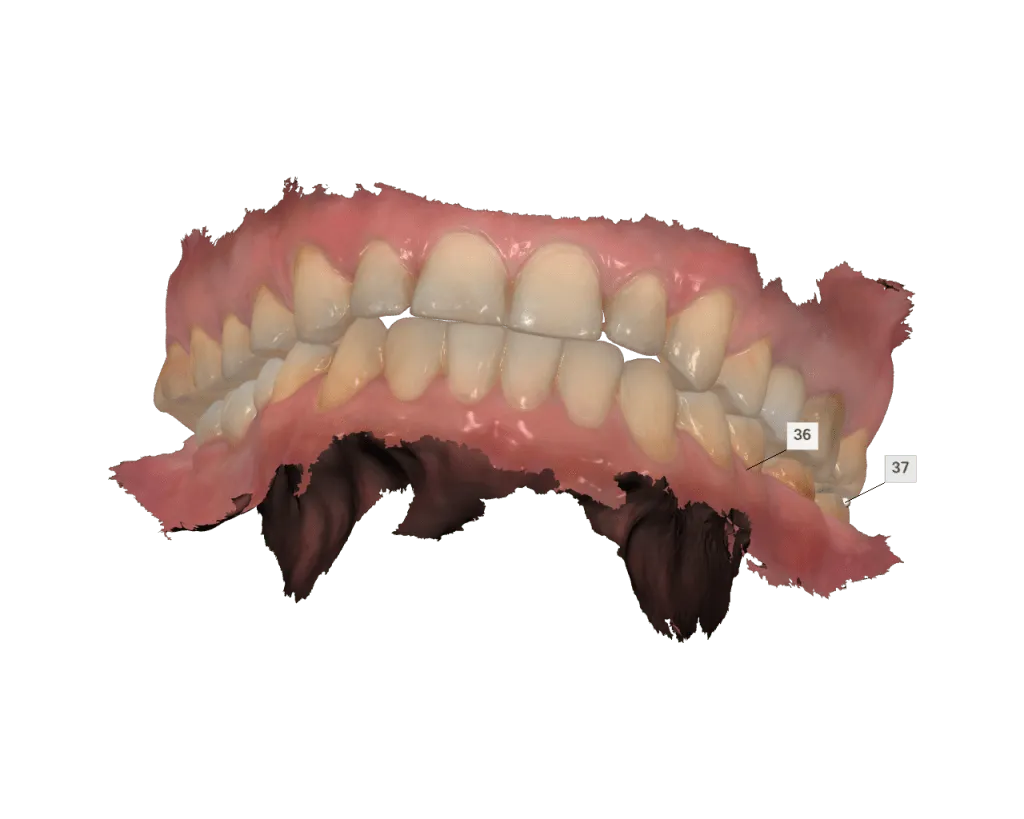
This type of scan is used to obtain detailed images of the patient’s teeth and mouth before dental veneer procedures are carried out. It is essential for planning and for the precise design of the veneers.
2. Digital Design of Dental Veneers
Dental aesthetics plays a key role in modern dentistry, especially in treatments involving dental veneers.
At Smileep, your dental laboratory specialized in aesthetics, we use 3Shape Smile Design to design personalized veneers that fit each patient’s specific needs. We also provide an explanatory video so you can review the design and share it with your patients, strengthening their confidence in the treatment.
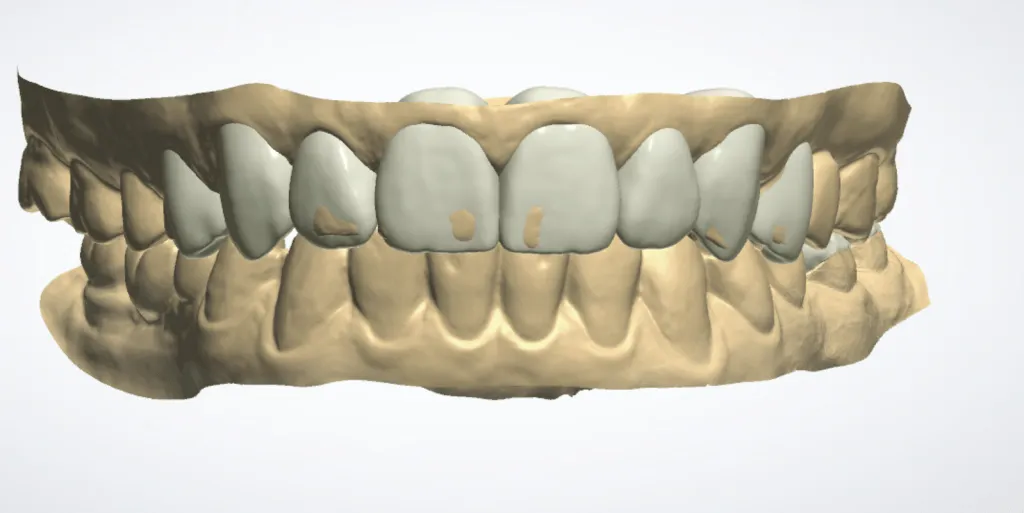
Using a 3D model and an intraoral mock-up with a silicone key is essential in the dental veneer design and placement process.
This protocol allows dentists, in collaboration with a dental laboratory specialized in aesthetics, to visualize the final result, make precise adjustments and optimize resources. The result is greater predictability, time savings and an improved experience for both dentist and patient, ensuring high-quality aesthetic restorations.
As a dentist, if you identify areas that require adjustments or refinements in the mock-up, you can make these changes accurately in the patient’s mouth before the final dental veneers are manufactured. After these adjustments, all that is needed is a new scan, ensuring an optimal and personalized aesthetic result. This process, in collaboration with a dental laboratory specialized in aesthetics, ensures that each veneer adapts perfectly to your patients’ needs and expectations, delivering high-quality restorations that improve both function and aesthetics.
3- Intraoral scan of the mock-up try-in
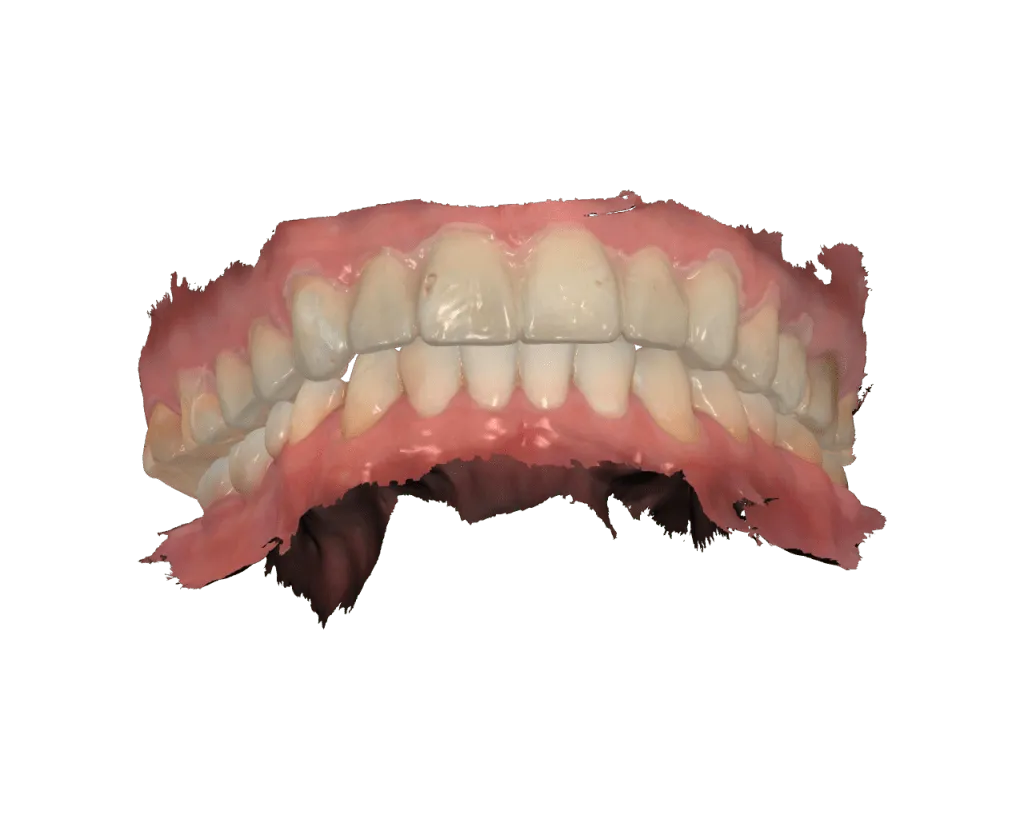
3 – Intraoral scan of the dental preparations
The scan of the dental preparations uses intraoral scanner technology to obtain precise digital images of the mouth, eliminating traditional impressions. This process makes it possible to design dental veneers with a perfect fit and optimal aesthetics, ensuring personalized, high-quality results. By working with a dental laboratory specialized in aesthetics, dentists can offer faster and more precise solutions for their patients.
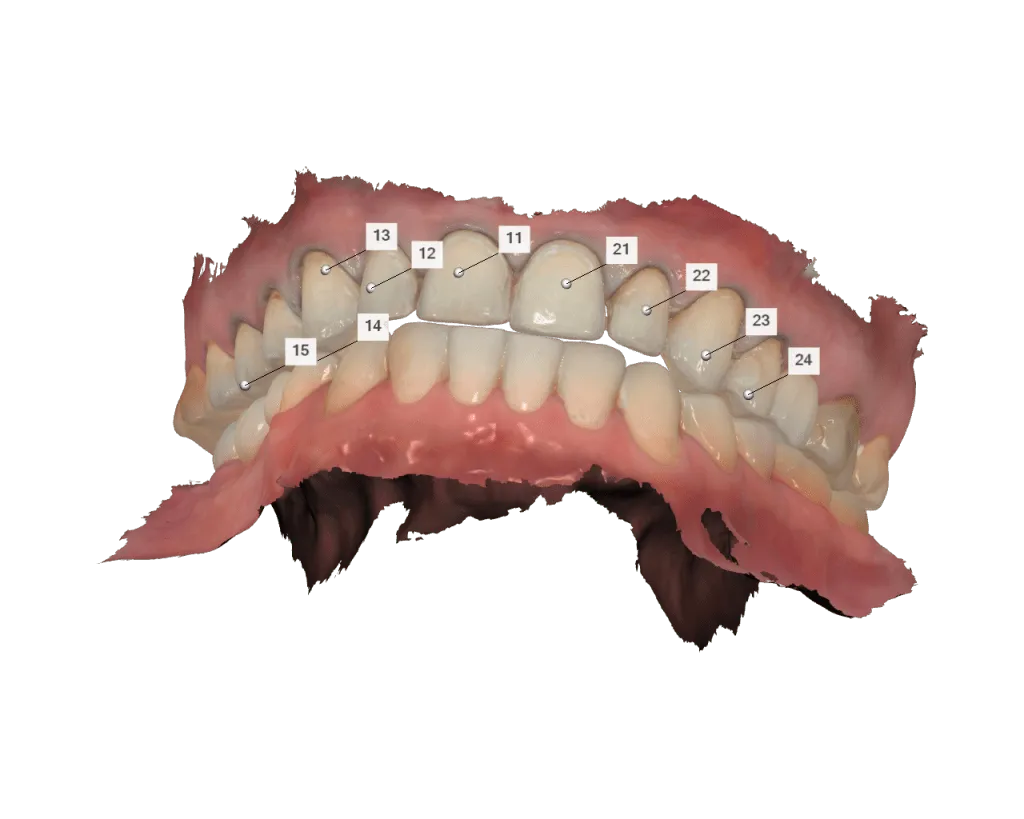
After receiving the preparation scans, we proceed to mill the dental veneers using high-quality ceramic materials, such as Ivoclar IPS e.max CAD lithium disilicate. We offer a range of ceramic options to adapt to each patient’s aesthetic and functional needs, and we can manufacture both monolithic and layered veneers to ensure the best result in terms of strength and aesthetics.
4 – Fitting Veneers on the 3D Model
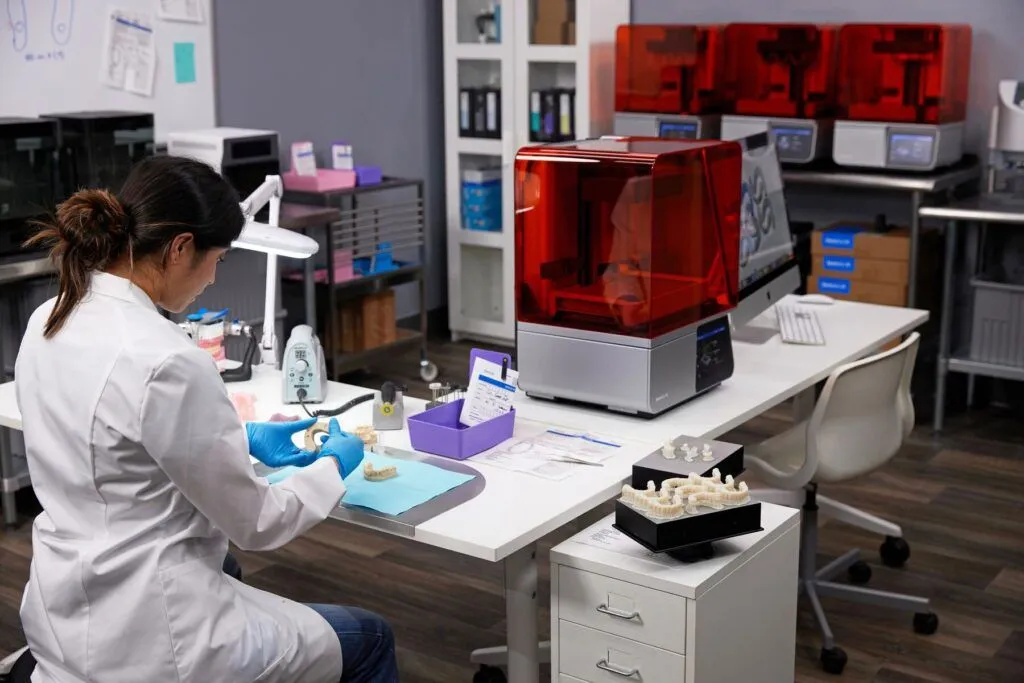
Before moving on to the final placement of the dental veneers, it is essential to perform a fit check using 3D models. This stage ensures that the veneers fit the patient’s teeth perfectly, which is key to achieving both an aesthetic and functional restoration, guaranteeing long-lasting and satisfactory results.
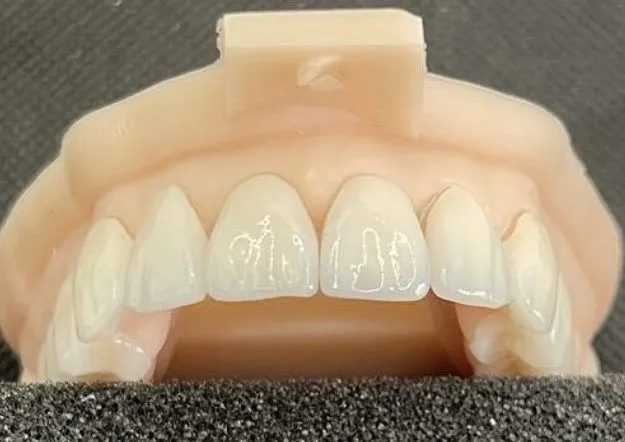
We carry out the final checks on printed models to adjust the dental veneers precisely to the patient’s anatomy. Thanks to the use of intraoral scanning and high-precision 3D printing in our dental laboratory specialized in aesthetics, we ensure a perfect fit and an optimal restoration in both aesthetics and function.
Why Work with Smileep?
At Smileep, we understand dentists’ needs and work to make their daily practice easier. We specialize in personalized solutions using cutting-edge technology.